

Views: 8
Here is the complete consolidated Bali travel article, combining all 20 sections into one continuous, WordPress-ready post. It includes the attractions, beaches, temples, rice terraces, accommodation, itinerary, budget, transportation, travel requirements, FAQs, and conclusion.
Bali Travel Guide: Beaches, Temples and Rice Terraces
Discover the best of Bali, Indonesia, from tropical beaches and ancient Hindu temples to emerald rice terraces, volcanic mountains, and unforgettable cultural experiences.
Bali is one of the world’s most enchanting tropical destinations. Known as the Island of the Gods, this Indonesian paradise combines breathtaking landscapes, rich cultural traditions, beautiful beaches, spiritual landmarks, and world-class hospitality.
Whether you’re planning a romantic honeymoon, a family vacation, an adventurous escape, or a peaceful wellness retreat, Bali offers something for every traveler.
From the golden beaches of Seminyak to the spectacular rice terraces of Ubud and the dramatic ocean cliffs of Uluwatu, this comprehensive Bali travel guide explores the island’s most memorable attractions, cultural experiences, accommodation areas, and practical travel tips.
1. Best Beaches in Bali
Bali is famous for its diverse coastline, featuring golden sand, dramatic cliffs, turquoise water, and some of Southeast Asia’s most recognizable surfing destinations.
Seminyak Beach
Seminyak Beach is one of Bali’s most popular coastal destinations, known for its beautiful sunsets, beachfront restaurants, stylish resorts, and lively beach clubs.
Visitors can enjoy long walks along the sand, relax at an oceanfront café, explore nearby boutiques, or watch surfers ride the waves.
Best for: Sunsets, restaurants, shopping, and nightlife.
Nusa Dua Beach
Nusa Dua is famous for its luxury resorts, well-maintained coastal areas, and relatively sheltered beaches.
It is particularly appealing to families and couples seeking a comfortable resort holiday with access to swimming pools, restaurants, spas, and water activities.
Best for: Luxury accommodation, families, and relaxation.
Padang Padang Beach
Surrounded by limestone cliffs, Padang Padang Beach is a picturesque destination on Bali’s Bukit Peninsula.
Visitors access the beach through a narrow passage between rock formations. Its natural scenery makes it popular with photographers and beach lovers, while nearby surf breaks attract experienced surfers.
Best for: Photography, surfing, and scenic coastal landscapes.
Jimbaran Bay
Jimbaran Bay offers a more traditional coastal atmosphere, with fishing boats, sandy beaches, and restaurants specializing in fresh seafood.
One of the most memorable experiences is enjoying dinner beside the ocean while watching the sunset.
Best for: Romantic dining, sunset photography, and relaxing evenings.
Sanur Beach
Sanur is known for its laid-back atmosphere, attractive beachfront promenade, and calm mornings.
Visitors can enjoy walking, cycling, beachfront cafés, and beautiful sunrise views. Its position on Bali’s eastern coastline also makes it a convenient departure point for boat excursions to nearby islands.
Best for: Families, sunrise photography, and peaceful holidays.
Kuta Beach
Kuta is one of Bali’s most established tourist destinations.
It is known for a lively atmosphere, surfing lessons, entertainment, and convenient access to restaurants and shopping areas.
Best for: Beginner surfing lessons, nightlife, and energetic beach holidays.
Beach safety tip: Always follow local swimming warnings and lifeguard advice. Strong currents, changing tides, and powerful waves make some Bali beaches unsuitable for casual swimming.
2. Famous Temples in Bali
Balinese Hindu temples are among the island’s most important cultural landmarks. Their architecture, ceremonies, and beautiful natural settings provide visitors with an opportunity to understand Bali’s spiritual traditions.
Uluwatu Temple
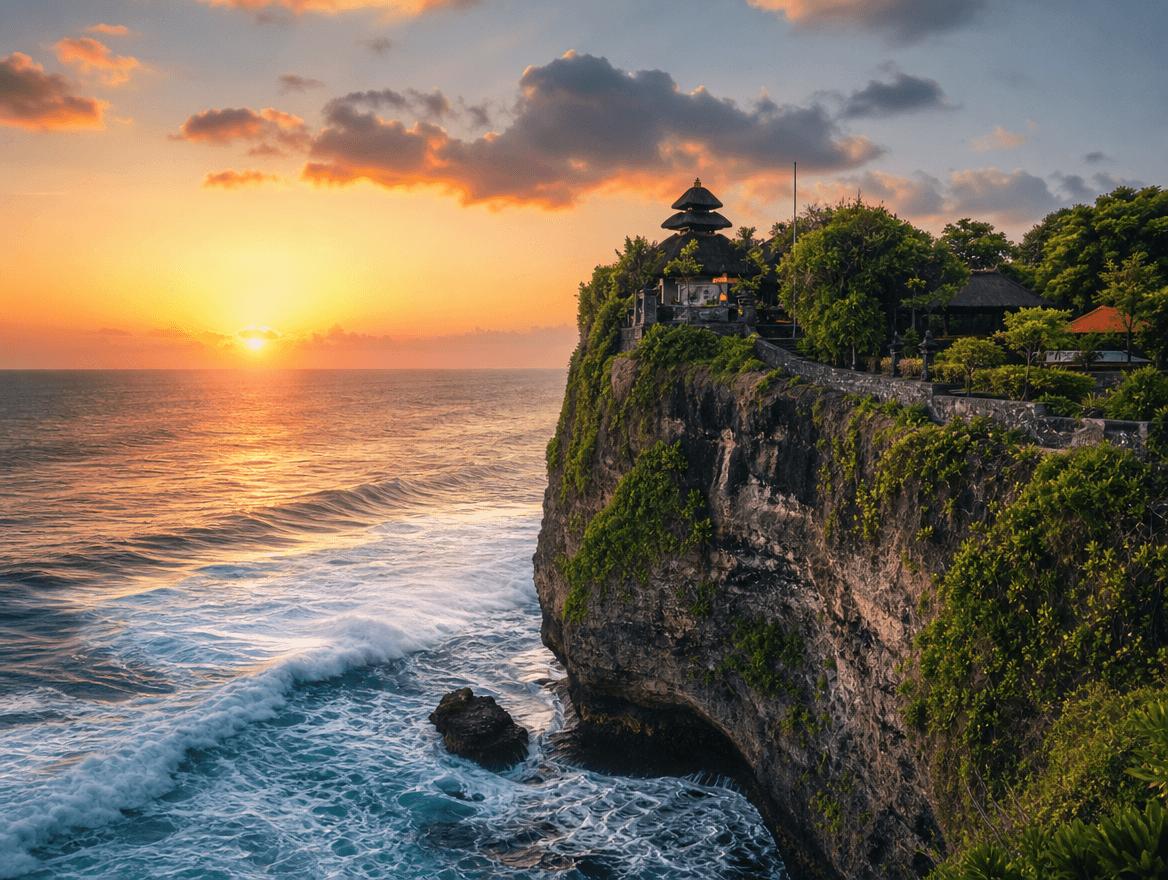
Perched high above the Indian Ocean, Uluwatu Temple is one of Bali’s most spectacular religious sites.
Its dramatic cliffside location offers panoramic coastal views, particularly during sunset.
Visitors can also experience traditional Kecak dance performances, which combine rhythmic chanting, storytelling, and expressive movement.
The temple grounds are home to monkeys, so visitors should keep sunglasses, phones, and other loose belongings secure.
Best time to visit: Late afternoon and sunset.
Tanah Lot Temple
Tanah Lot is one of Bali’s most recognizable landmarks.
Built on a rocky formation beside the sea, this sacred Hindu temple is especially beautiful when surrounded by ocean waves.
During high tide, the rock formation can appear isolated from the mainland, creating a dramatic photographic scene.
The surrounding area features scenic viewpoints, local shops, and restaurants.
Best time to visit: Late afternoon, especially around sunset.
Tirta Empul Temple
Tirta Empul is an important water temple known for its sacred spring and traditional purification rituals.
Balinese Hindu worshippers visit to participate in religious ceremonies involving water from the temple’s bathing pools.
Visitors should observe local customs and respect the spiritual significance of the site. Participation in purification activities may be restricted or subject to specific requirements.
Best for: Cultural learning, traditional architecture, and spiritual heritage.
Ulun Danu Beratan Temple
Located beside Lake Beratan in Bali’s central highlands, Ulun Danu Beratan Temple is famous for its beautiful lakeside setting.
The surrounding mountains, cool climate, and occasional morning mist create one of Bali’s most atmospheric landscapes.
Its traditional tiered shrines make it a favorite location for photography.
Best for: Landscape photography, temple architecture, and scenic highland excursions.
Besakih Temple
Often called Bali’s Mother Temple, Besakih is a major Hindu temple complex on the slopes of Mount Agung.
It features numerous shrines, ceremonial spaces, and traditional Balinese architectural elements.
Visitors can appreciate panoramic mountain scenery while learning about the temple’s religious importance.
Best for: History, religious architecture, and cultural exploration.
3. Bali’s Spectacular Rice Terraces
Bali’s rice terraces are among its most beautiful natural and cultural landscapes.
These green agricultural fields represent generations of farming knowledge and the traditional subak irrigation system, which connects water management, community cooperation, and spiritual beliefs.
Tegallalang Rice Terraces
Located north of Ubud, Tegallalang is one of Bali’s most photographed destinations.
Its layered terraces create a beautiful pattern across the hillsides, particularly during the early morning when sunlight illuminates the landscape.
Visitors can explore walking paths, enjoy countryside views, and discover cafés overlooking the rice fields.
Some tourist areas offer additional experiences such as swings and scenic photography platforms, usually for separate fees.
Best time to visit: Early morning.
Jatiluwih Rice Terraces
Jatiluwih offers a more expansive and peaceful alternative to Bali’s busier rice terrace attractions.
Located in Tabanan Regency, the landscape features working agricultural fields extending across rolling hills beneath the island’s mountains.
The Jatiluwih area is associated with Bali’s UNESCO-listed cultural landscape of the subak irrigation system.
Walking and cycling routes allow visitors to appreciate the scenery while observing traditional agriculture.
Best for: Nature photography, countryside walks, and cultural heritage.
Understanding the Subak System
The subak system is a traditional Balinese method of managing irrigation through cooperation between farmers and water temples.
UNESCO recognizes Bali’s cultural landscape for illustrating the philosophy of Tri Hita Karana, which emphasizes harmony between spiritual life, human communities, and nature.
The system demonstrates that Bali’s rice terraces are not simply scenic attractions but important parts of the island’s living agricultural heritage.
Photography tip: The appearance of the rice terraces changes throughout the growing and harvesting cycles, so not every field will be bright green throughout the year.
4. Discover Ubud: Bali’s Cultural Heart
Surrounded by tropical forests, traditional villages, artistic communities, and agricultural landscapes, Ubud is one of Bali’s most rewarding destinations.
Unlike the island’s busy coastal resort areas, Ubud offers a combination of culture, nature, wellness, and traditional craftsmanship.
Sacred Monkey Forest Sanctuary
The Sacred Monkey Forest Sanctuary is a protected forest area featuring Hindu temple structures, stone sculptures, and long-tailed macaques.
Visitors can walk along shaded pathways and observe the monkeys in their natural environment.
Avoid feeding, touching, or approaching the animals closely, and secure personal belongings.
Ubud Art Market
Ubud’s traditional market areas offer a variety of handmade items, including woven bags, decorative textiles, wooden crafts, paintings, and souvenirs.
Exploring the markets provides an opportunity to discover local craftsmanship and support small businesses.
Traditional Balinese Dance
Ubud is an excellent destination for traditional dance performances.
Legong, Barong, and other classical Balinese performances feature elaborate costumes, expressive gestures, and stories inspired by traditional cultural and religious themes.
Yoga and Wellness Retreats
Ubud is internationally recognized for its wellness experiences.
Visitors can explore yoga classes, meditation activities, spa treatments, and peaceful retreats surrounded by tropical greenery.
Campuhan Ridge Walk
Campuhan Ridge Walk is a popular walking route near central Ubud.
The path offers scenic views of green hills and surrounding vegetation.
Walking early in the morning is generally more comfortable because of the tropical heat.
5. Adventure and Natural Wonders
Beyond beaches and temples, Bali offers volcanic landscapes, waterfalls, tropical forests, and exciting outdoor adventures.
Mount Batur
Mount Batur is an active volcano in the Kintamani region.
Sunrise hiking excursions are popular for their views over the surrounding volcanic landscape and Lake Batur.
Visitors should check current volcanic activity, weather conditions, trail access, and local guidance before attempting a hike.
Sekumpul Waterfall
Located in northern Bali, Sekumpul is one of the island’s most impressive waterfall destinations.
Powerful streams of water descend through lush tropical vegetation, creating a dramatic setting.
Reaching viewpoints or lower areas may involve steps, steep paths, and slippery surfaces.
Tegenungan Waterfall
Situated relatively close to Ubud, Tegenungan Waterfall is a popular destination for visitors seeking a scenic waterfall without traveling deep into northern Bali.
The surrounding area includes viewpoints and visitor facilities.
Nusa Penida
Nusa Penida is an island southeast of Bali, famous for dramatic cliffs, turquoise water, and spectacular coastal landscapes.
Popular destinations include Kelingking Viewpoint, Diamond Beach, and Broken Beach.
Visitors can explore the island independently or arrange organized excursions, although roads and access paths can be challenging.
Snorkeling and Diving
The waters surrounding Bali and neighboring islands feature coral reefs, tropical fish, and opportunities to observe marine life.
Amed and Tulamben are particularly well known for diving, while snorkeling excursions are available around several coastal and island destinations.
Choose reputable operators, respect marine wildlife, and check currents and sea conditions before entering the water.
6. Where to Stay in Bali
Choosing the right location can make a major difference to your Bali holiday.
Ubud — Best for Nature and Culture
Ubud is ideal for travelers interested in rice terraces, tropical forests, traditional arts, wellness retreats, and peaceful accommodation.
It is especially popular with couples, cultural travelers, and visitors seeking a slower pace.
Seminyak — Best for Dining and Nightlife
Seminyak offers stylish accommodation, restaurants, shopping, beach clubs, and sunset experiences.
It is well suited to travelers seeking modern amenities and a lively coastal atmosphere.
Nusa Dua — Best for Luxury and Families
Nusa Dua is home to many established beachfront resorts with swimming pools, family facilities, spas, and restaurants.
It is an attractive choice for a comfortable resort holiday.
Uluwatu — Best for Romantic Views
Uluwatu is known for dramatic cliffs, luxury villas, beautiful ocean views, and surfing.
It is particularly popular among honeymooners and travelers seeking romantic scenery.
Sanur — Best for Relaxation
Sanur offers a quieter beachfront atmosphere, convenient restaurants, and walking paths.
It is well suited to families and visitors looking for a peaceful coastal base.
Canggu — Best for Surfing and Cafés
Canggu features surf beaches, creative businesses, modern cafés, fitness studios, and a lively social environment.
It is especially popular with younger travelers and remote workers.
Accommodation tip: For a seven-day first visit, consider spending several nights in Ubud and the remaining nights in southern Bali. This can reduce long daily journeys between attractions.
7. A Perfect 7-Day Bali Itinerary
Seven days provides an excellent introduction to Bali’s beaches, temples, countryside, and cultural attractions.
Day 1: Arrival and Seminyak
Arrive at I Gusti Ngurah Rai International Airport and transfer to your hotel.
Spend the afternoon relaxing, exploring nearby shops, or enjoying a beachfront café.
Finish your first evening watching the sunset at Seminyak Beach.
Day 2: Beach Relaxation and Tanah Lot
Enjoy a leisurely morning along Bali’s west coast.
In the afternoon, visit Tanah Lot Temple and admire its iconic ocean setting.
Stay for sunset before returning to your accommodation.
Day 3: Discover Ubud
Travel to Ubud and explore the town’s cultural attractions.
Visit the Sacred Monkey Forest Sanctuary, browse traditional handicrafts, and enjoy Balinese cuisine.
Attend a traditional dance performance in the evening.
Day 4: Rice Terraces and Tirta Empul
Begin early with a visit to Tegallalang Rice Terraces.
Explore the beautiful agricultural landscape before continuing to Tirta Empul Temple.
Spend the afternoon discovering the countryside or relaxing at a resort in Ubud.
Day 5: Jatiluwih and Highland Scenery
Explore the remarkable Jatiluwih Rice Terraces, with their panoramic views and walking routes.
Depending on road conditions and available time, combine the excursion with scenic highland attractions.
Return to Ubud or continue toward southern Bali for the next stage of the trip.
Day 6: Uluwatu and Coastal Landscapes
Travel to Bali’s southern peninsula.
Visit one of the area’s scenic beaches before exploring Uluwatu Temple.
Enjoy sunset views and, if available, a traditional Kecak dance performance.
Day 7: Jimbaran and Departure
Spend your final morning relaxing beside the ocean or visiting nearby attractions.
Enjoy a meal in Jimbaran if your flight schedule allows.
Leave sufficient time for airport transfers, as traffic can be unpredictable.
Itinerary tip: Bali’s road journeys can take longer than expected. Group nearby attractions together and avoid scheduling too many distant destinations on the same day.
8. Best Time to Visit Bali
Bali experiences warm tropical weather throughout the year, with rainfall patterns changing seasonally.
Dry Season: April to October
The dry season generally offers favorable conditions for beach holidays, sightseeing, hiking, and outdoor activities.
July and August are particularly popular travel months, meaning major attractions and accommodation areas can be busy.
Rainy Season: November to March
During the wetter months, Bali experiences more frequent tropical showers and higher humidity.
Rainfall can be heavy, but the surrounding countryside often appears especially lush.
Outdoor excursions may require additional flexibility.
Recommended Months
May, June, and September are often attractive months because they provide a balance of generally drier weather and potentially fewer crowds than peak holiday periods.
Seasonal weather patterns are not completely predictable, so travelers should check local forecasts before departure.
9. Traditional Balinese Food
Balinese cuisine combines aromatic spices, fresh ingredients, rice, vegetables, and traditional cooking techniques.
Some dishes worth exploring include:
- Nasi Campur: Rice served with a selection of vegetables, meat, and side dishes.
- Satay Lilit: Minced meat or seafood blended with spices and formed around skewers.
- Bebek Betutu: Duck traditionally prepared with aromatic spices and cooked slowly.
- Lawar: A traditional mixture of vegetables, coconut, spices, and sometimes meat.
- Balinese desserts: Local sweets made using ingredients such as coconut, rice flour, and palm sugar.
Traditional markets offer opportunities to sample local snacks and tropical fruit.
Travelers with dietary restrictions should check ingredients carefully, as some dishes may contain pork, shrimp paste, or other animal products.
10. Balinese Culture and Traditions
Balinese Hindu traditions are deeply connected to everyday life.
Visitors frequently encounter decorated temples, religious ceremonies, traditional music, dance performances, and small daily offerings.
Daily Offerings
Small woven palm-leaf baskets called canang sari often contain flowers and incense.
These offerings may be placed near homes, shops, temples, and sidewalks.
Visitors should avoid disturbing or stepping on them.
Religious Ceremonies
Temple festivals and community ceremonies are important elements of Balinese life.
When observing ceremonies, dress respectfully and follow local instructions regarding photography and restricted areas.
Traditional Dance
Balinese dance combines elaborate costumes, expressive hand movements, detailed facial expressions, and traditional musical accompaniment.
Performances are an excellent way to discover the island’s artistic heritage.
Respectful Temple Visits
Visitors should wear appropriate clothing, follow guidance concerning sarongs and sashes, and respect ceremonial areas.
Not every part of a temple is necessarily accessible to tourists.
11. Best Photography Locations
Bali is an outstanding destination for landscape, architecture, cultural, and travel photography.
Lempuyang Temple
Known for its traditional gateway and views toward Mount Agung, Lempuyang is one of Bali’s recognizable photography destinations.
Visitors should be prepared for possible queues and changing visibility.
Handara Gate
The Balinese-style gateway near Bedugul is surrounded by greenery and highland scenery.
Its distinctive architecture has made it popular among visitors and photographers.
Kelingking Viewpoint
Located on Nusa Penida, Kelingking offers spectacular views of limestone cliffs and the ocean.
The terrain can be hazardous, so visitors should remain within safe viewing areas.
Campuhan Ridge Walk
This scenic walking route near Ubud offers beautiful green landscapes, especially during the early morning.
Tegallalang Rice Terraces
The sculpted agricultural hillsides provide excellent opportunities for photographing Bali’s traditional countryside.
Uluwatu Cliffs
The rugged southern coastline is especially dramatic during golden-hour light.
Photography tip: Early mornings and late afternoons often provide softer light. Always respect private property, religious ceremonies, restricted areas, and local photography rules.
12. Shopping and Souvenirs
Bali has a rich tradition of handmade crafts and decorative arts.
Ubud is a popular destination for traditional markets, wood carvings, paintings, textiles, and woven products.
Seminyak offers contemporary fashion boutiques, home décor stores, and lifestyle shops.
Other areas feature pottery, silver jewelry, handmade furniture, and locally produced goods.
Shopping can be an enjoyable way to support Balinese artisans and discover traditional craftsmanship.
When purchasing souvenirs, compare quality, negotiate politely where appropriate, and avoid products made from protected wildlife or illegally sourced materials.
13. Getting Around Bali
Transportation planning is essential because Bali’s roads can become congested, especially around popular tourism areas.
Private Drivers
Hiring a private driver is a convenient way to explore temples, rice terraces, waterfalls, and other attractions.
It is particularly suitable for families, small groups, and visitors planning full-day sightseeing excursions.
Taxis and Ride-Hailing
Taxis and app-based transport services operate in many tourism areas.
Availability and pickup arrangements can vary depending on the location.
Scooter Rentals
Scooters are widely available but require appropriate riding experience, a valid license accepted in Indonesia, and suitable insurance.
Travelers should always wear helmets and follow local traffic regulations.
Boat Transfers
Boats connect mainland Bali with Nusa Penida, Nusa Lembongan, and other nearby destinations.
Schedules are subject to weather and sea conditions.
Transportation tip: For travelers without substantial motorcycle experience, taxis and private drivers are often safer and more convenient than renting a scooter.
14. How Much Does a Bali Trip Cost?
Bali accommodates a wide range of travel budgets, from simple guesthouses to luxury beachfront villas.
The following figures are approximate planning estimates per person per day and exclude international flights.
| Travel Style | Estimated Daily Budget |
|---|---|
| Budget | IDR 500,000–900,000 |
| Midrange | IDR 1,000,000–2,000,000 |
| Luxury | IDR 3,000,000 or more |
Accommodation usually accounts for a significant portion of the total cost.
Travelers can reduce expenses by choosing local restaurants, comparing accommodation options, booking transport carefully, and combining nearby attractions in a single excursion.
Premium beachfront resorts, private pool villas, luxury dining, and exclusive activities can increase costs considerably.
Actual prices vary by season, location, travel style, and booking availability.
15. Essential Bali Travel Requirements
Before visiting Bali, international travelers should verify entry requirements based on their nationality and passport.
Passport Requirements
Visitors generally need a passport with at least six months of remaining validity. Additional entry conditions may apply.
Visa Requirements
Indonesia offers different visa arrangements depending on nationality and travel purpose.
Some travelers may qualify for visa-free entry, a visa on arrival, or an electronic visa on arrival, while others must arrange an appropriate visa in advance.
Travelers can check official requirements at:
All Indonesia Arrival Card
International travelers are required to complete the All Indonesia arrival declaration within three days before arrival.
The electronic declaration covers immigration, customs, health, and quarantine information and is free to submit.
Official website:
Bali Tourist Levy
Bali charges most foreign visitors a tourist levy of IDR 150,000 per person, subject to applicable exemptions.
The levy is separate from visa fees.
Official information and payment:
Travel Insurance
Comprehensive travel insurance is strongly recommended, especially for visitors planning hiking, snorkeling, diving, surfing, or scooter riding.
Always confirm coverage conditions and exclusions before departure.
Important: Travel regulations, fees, and entry conditions may change. Verify official requirements before traveling.
16. Essential Bali Packing List
Packing appropriately can make your tropical holiday more comfortable.
Recommended items include:
- Lightweight and breathable clothing
- Comfortable walking shoes
- Beach sandals
- Swimwear
- Modest clothing for temple visits
- Sunscreen and sunglasses
- Sun hat
- Insect repellent
- Reusable water bottle
- Lightweight rain jacket
- Waterproof bag for boat excursions
- Phone charger and suitable travel adapter
- Personal medications
- Passport and travel documents
- Travel insurance details
Travelers planning mountain excursions may need additional layers because highland temperatures can be cooler than coastal conditions.
17. Important Health and Safety Tips
Bali is a popular international tourism destination, but travelers should take ordinary precautions.
Sun exposure: Apply sunscreen regularly and avoid prolonged exposure during the hottest hours.
Drinking water: Use safe drinking water and follow local food hygiene precautions.
Ocean safety: Follow lifeguard guidance and avoid swimming in dangerous currents or rough surf.
Wild animals: Do not touch or feed monkeys and other wildlife.
Outdoor adventures: Use experienced guides and check weather conditions before hikes or water activities.
Traffic safety: Wear seat belts where available and avoid riding motorcycles without the necessary qualifications and safety equipment.
Natural hazards: Bali and the surrounding Indonesian region are affected by volcanic activity, earthquakes, and occasional severe weather. Follow official warnings and local emergency instructions.
Travel documents: Keep digital copies of essential documents and use reputable transportation and activity operators.
18. Suggested Bali Experiences for Different Travelers
For Couples and Honeymooners
Choose a private villa in Ubud or Uluwatu, enjoy romantic sunset dinners, explore peaceful rice terraces, and book spa experiences.
For Families
Consider staying in Nusa Dua or Sanur, visiting cultural attractions, enjoying supervised beach activities, and arranging comfortable private transport.
For Adventure Travelers
Explore volcanoes, waterfalls, snorkeling destinations, surf breaks, and scenic hiking routes with qualified local operators.
For Photography Enthusiasts
Prioritize Tegallalang, Jatiluwih, Tanah Lot, Uluwatu, Mount Batur viewpoints, and Nusa Penida.
For Culture Lovers
Spend more time exploring Ubud, traditional markets, temples, regional crafts, ceremonial traditions, and classical Balinese performances.
19. Frequently Asked Questions About Bali
Is Bali worth visiting?
Yes. Bali offers an exceptional combination of natural beauty, cultural attractions, beautiful beaches, outdoor activities, and diverse accommodation.
Its landscapes and living traditions make it a rewarding destination for many different travel styles.
How many days should I spend in Bali?
Seven days is enough to experience several major highlights.
Ten to fourteen days allows a more relaxed itinerary, additional cultural experiences, and the possibility of visiting neighboring islands.
What is the best month to visit Bali?
May, June, and September are often good choices for generally drier weather and potentially fewer crowds than the busiest travel periods.
Is Bali suitable for families?
Yes. Bali has numerous family-friendly resorts, cultural attractions, organized activities, and relaxing beaches.
Nusa Dua and Sanur are popular accommodation areas for family holidays.
Which is better: Ubud or Seminyak?
Ubud is best suited to culture, countryside landscapes, wellness retreats, and traditional experiences.
Seminyak offers beachfront dining, shopping, modern accommodation, and nightlife.
Many travelers enjoy visiting both.
Can Bali be visited on a budget?
Yes. Budget guesthouses, local restaurants, and affordable attractions make Bali accessible to travelers with different spending limits.
Is Bali safe for tourists?
Bali is a well-established tourism destination. Visitors should still use common safety precautions, particularly around traffic, swimming, outdoor activities, wildlife, and personal belongings.
What currency is used in Bali?
Bali uses the Indonesian Rupiah (IDR).
Do people speak English in Bali?
Indonesian is the national language, while Balinese is widely spoken locally.
English is common in hotels, restaurants, and major tourism areas.
Can I visit Nusa Penida in one day?
Yes, organized day trips are available, but they can feel rushed because of boat schedules, road journeys, and distances between attractions.
An overnight stay allows more time to enjoy the island.
Do I need a car in Bali?
Not necessarily. Many visitors use private drivers, taxis, or ride-hailing services.
For exploring multiple attractions in one day, arranging a driver can be particularly convenient.
What makes Bali unique?
Bali combines tropical scenery with a distinctive cultural identity shaped by Hindu religious traditions, artistic heritage, temple architecture, and community-based agriculture.
Its rice terraces, ocean temples, volcanic landscapes, and traditional ceremonies offer experiences that go far beyond a typical beach holiday.
20. Final Thoughts: Experience the Magic of Bali
Bali is more than a tropical holiday destination. It is an island where natural beauty, ancient traditions, artistic expression, and modern hospitality come together.
Visitors can begin the morning surrounded by emerald rice terraces, explore centuries-old temples in the afternoon, and finish the day watching the sunset over the Indian Ocean.
From the cultural atmosphere of Ubud and the spectacular coastlines of Uluwatu to the peaceful beaches of Sanur and the extraordinary landscapes of Jatiluwih, Bali offers unforgettable experiences at every turn.
Whether you’re visiting for adventure, romance, family relaxation, cultural discovery, or photography, the Island of the Gods invites you to explore its remarkable diversity.
Plan your journey, respect the island’s traditions, embrace its natural beauty, and discover why Bali remains one of the world’s most memorable travel destinations.
Travel information reviewed: November 2026. Opening hours, transportation schedules, attraction access, visa rules, and visitor fees should be checked before travel.
Official resources and further reading
- Indonesia Tourism
- UNESCO — Cultural Landscape of Bali Province
- Indonesia Official e-Visa
- All Indonesia Arrival Declaration
- Love Bali — Tourist Levy
WordPress SEO — Copy and Paste
SEO Title
Bali Travel Guide: Best Beaches, Temples & Rice Terraces
Slug
bali-travel-guide-beaches-temples-rice-terraces
Meta Description
Discover Bali’s best beaches, ancient temples, scenic rice terraces, and top attractions. Plan your trip with our complete Bali travel guide and 7-day itinerary.
Focus Keyphrase
Bali travel guide
Category
Travel Guides
Secondary Categories
Asia, Indonesia
Tags
Bali, Bali Travel Guide, Indonesia, Ubud, Uluwatu, Tanah Lot, Bali Beaches, Bali Temples, Rice Terraces, Tegallalang, Jatiluwih, Nusa Penida, Seminyak, Nusa Dua, Bali Itinerary, Tropical Travel, Southeast Asia
Featured Image Recommendation
Jatiluwih Rice Terraces (2026) – Best of TikTok, Instagram & Reddit Travel Guide
Featured image alt text: Bali Travel Guide – Beautiful green rice terraces and tropical landscapes in Bali, Indonesia.
For your travel website, I recommend adding a 10–15-image gallery and three relevant videos covering Bali’s beaches, temples, and rice terraces. The article text and SEO fields above are consolidated and ready to paste into WordPress; media still needs to be selected and embedded.
I also verified the key travel details against current official information: Bali’s seasonal climate, UNESCO-recognized rice terrace heritage, the arrival declaration, and the tourist levy. Indonesia Travel+3

