
Views: 78
About
Hakone (箱根町, Hakone-machi) is a town in Kanagawa Prefecture, Japan. As of 1 October 2023, the town had a population of 10,965, and total area of 92.82 km2 (35.84 sq mi).
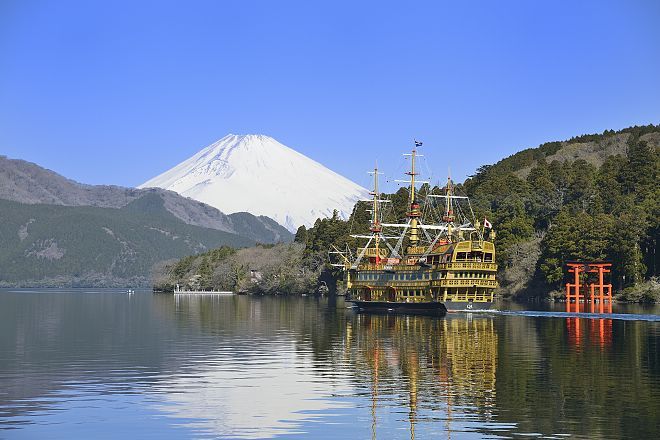
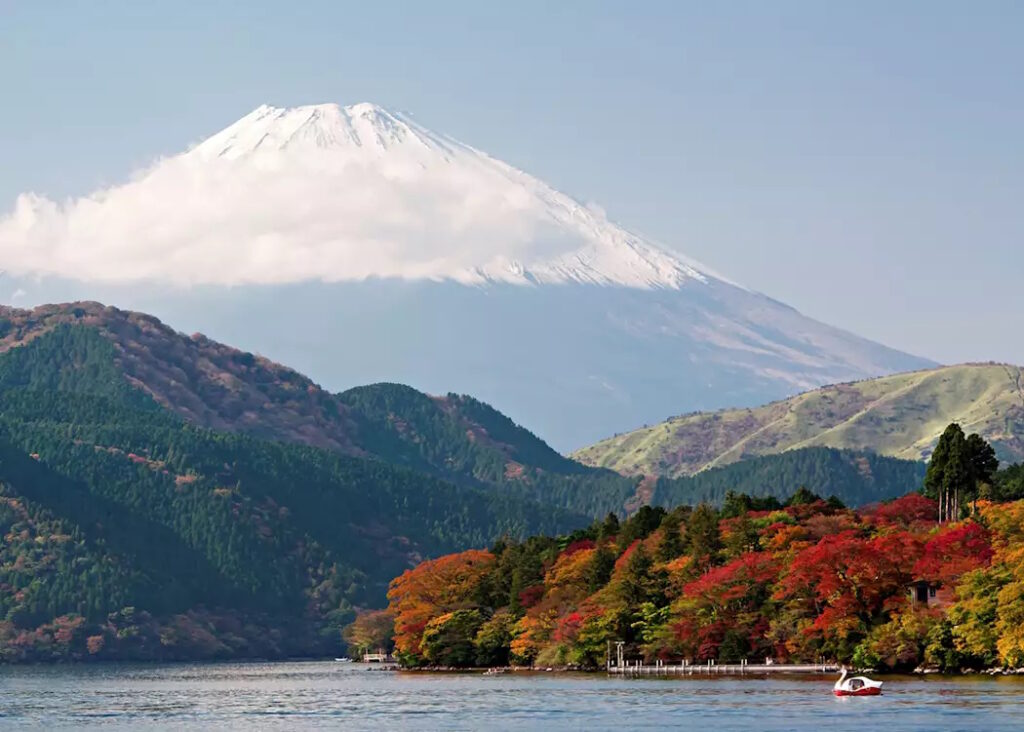
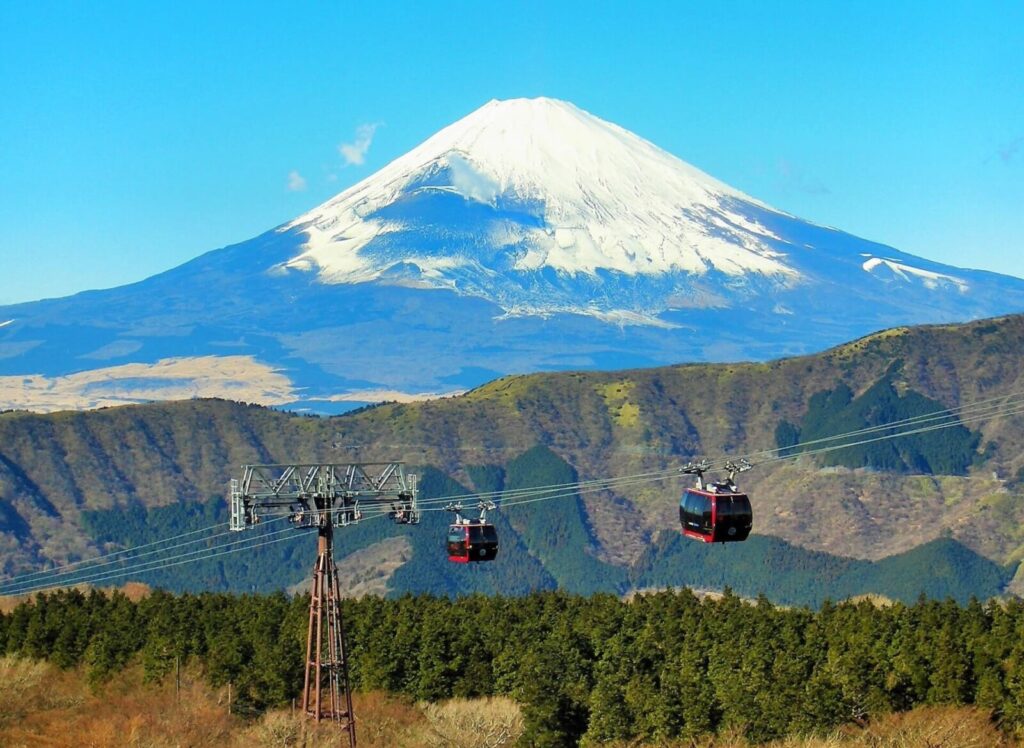
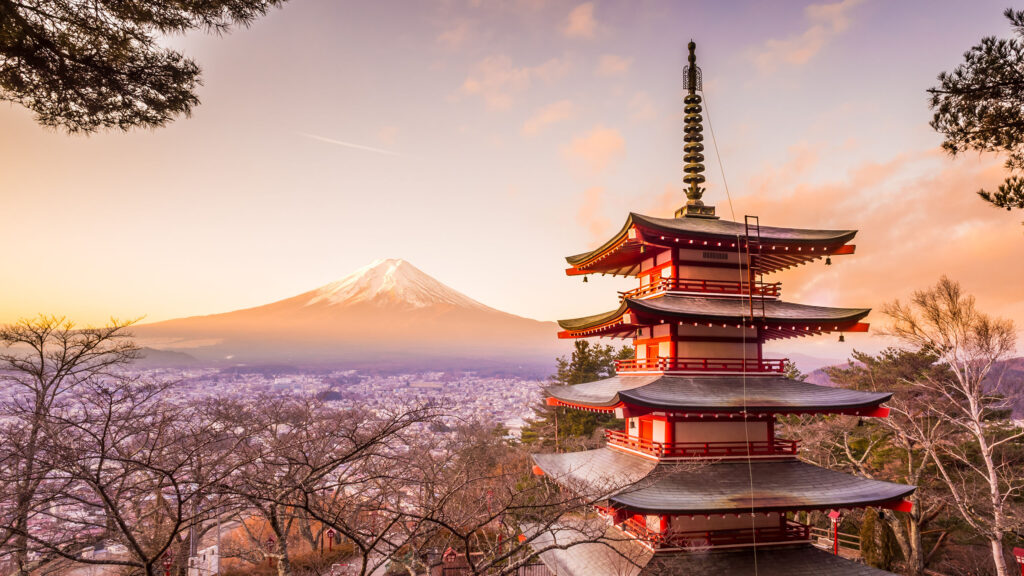
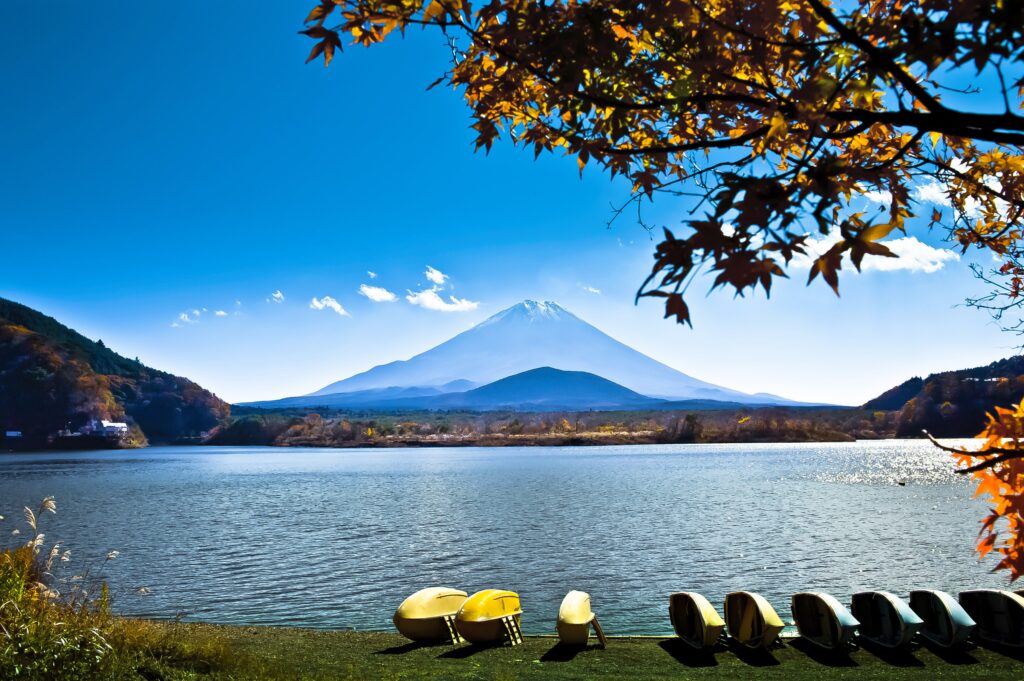
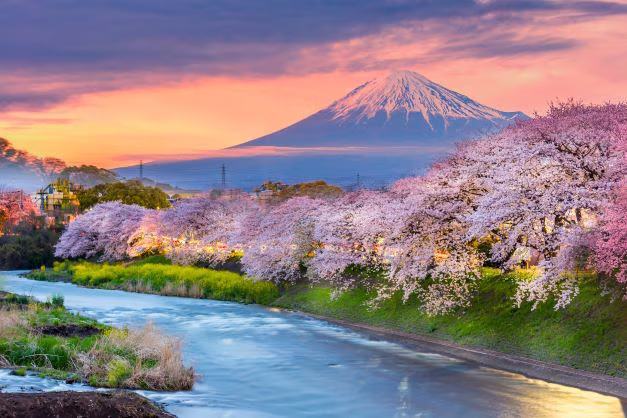
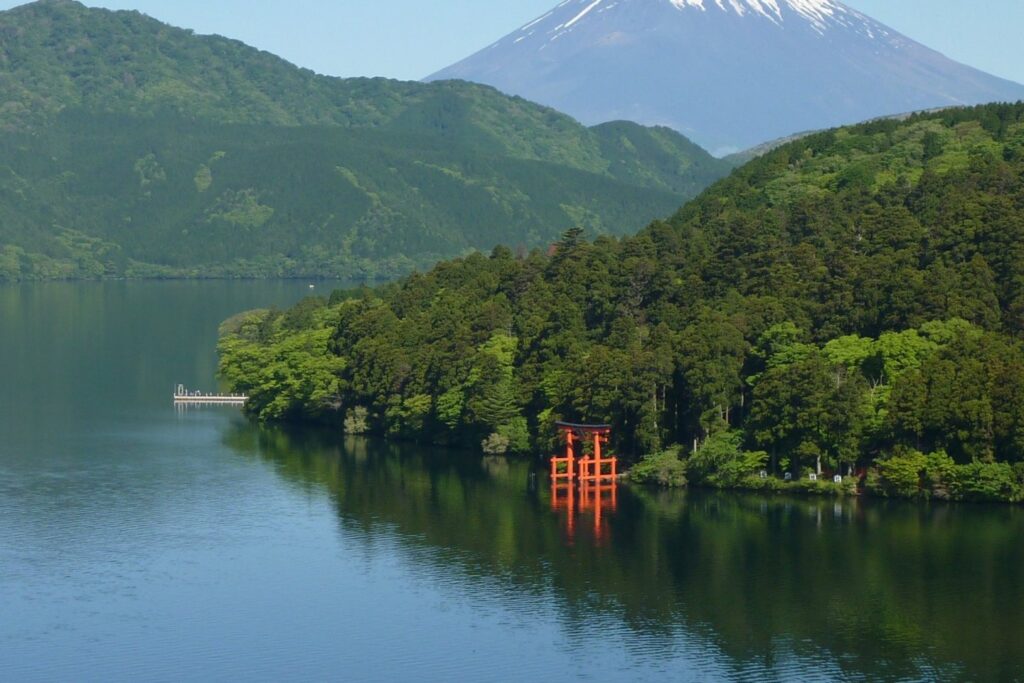
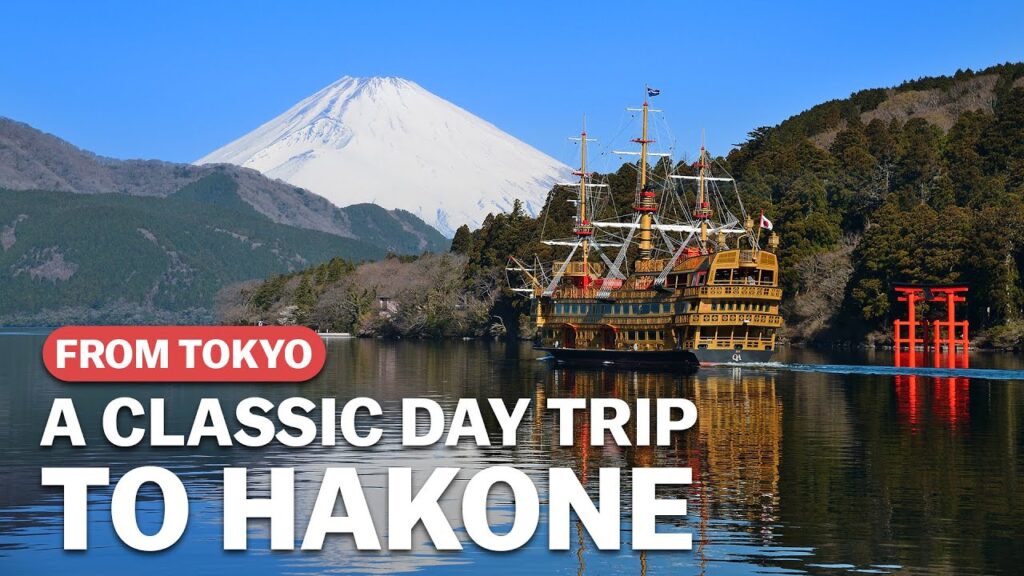
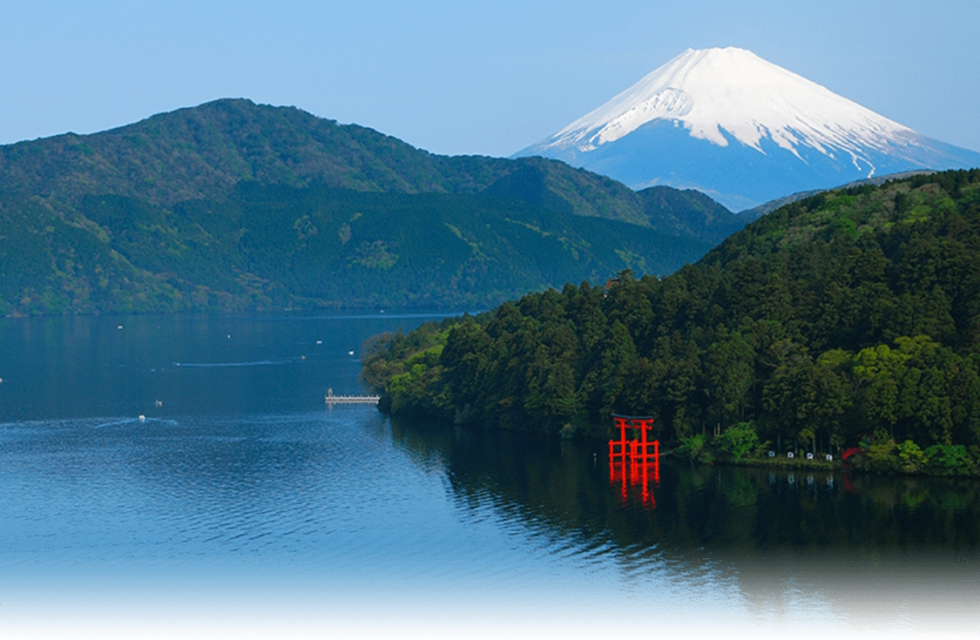
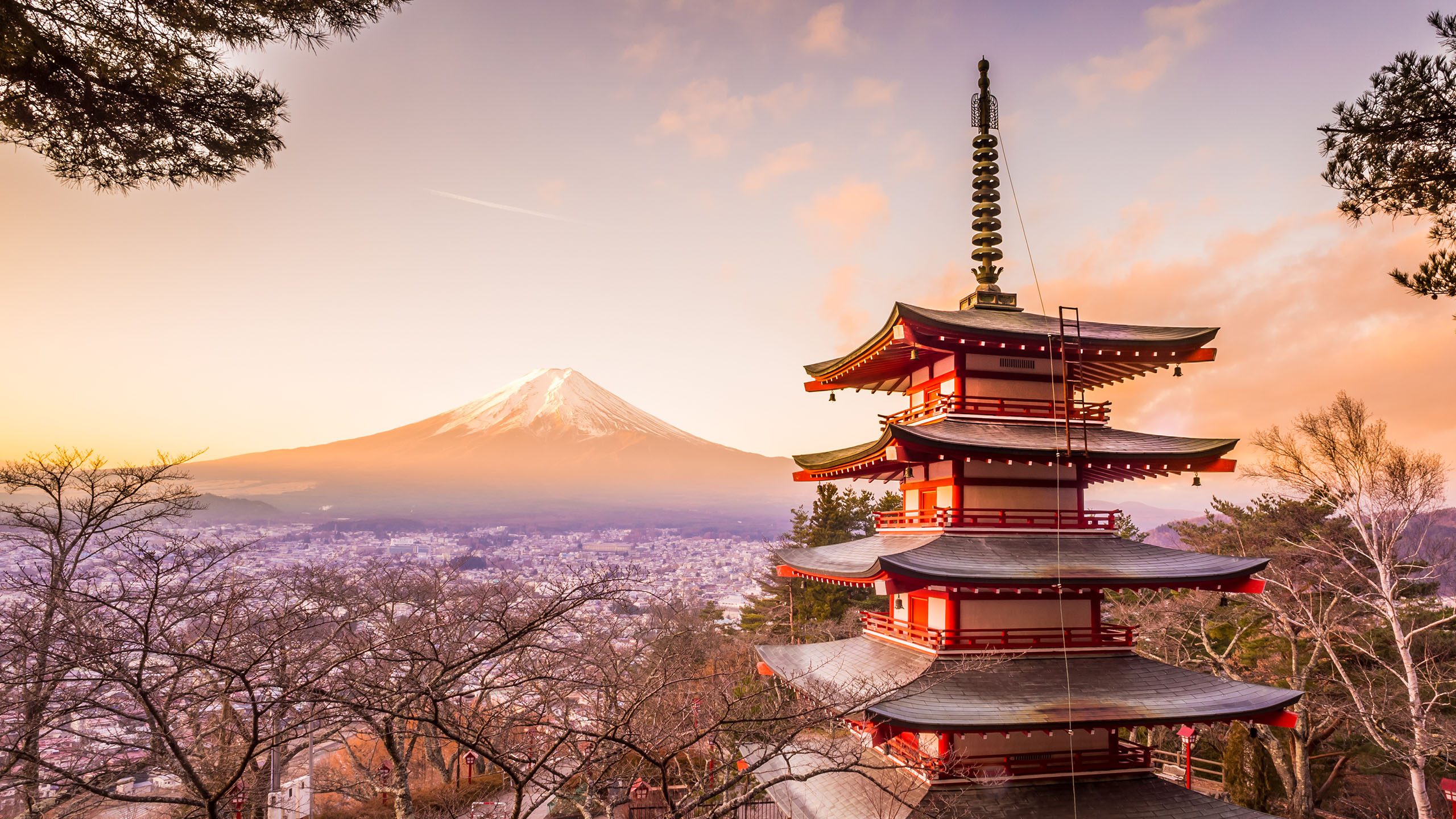
Hakone is notable spa town and a popular tourist destination due to its many hot springs being within view of nearby Mount Fuji, the most visited mountain in Japan.
Geography
Hakone is located in the mountains in the far west of the prefecture, on the eastern side of Hakone Pass. Most of the town is within the borders of the volcanically active Fuji-Hakone-Izu National Park, centered on Lake Ashi.
Climate
Hakone has a humid subtropical climate (Köppen Cfa) characterized by warm summers and cool winters with light to no snowfall. The average annual temperature in Hakone is 13.3 °C. The average annual rainfall is 2221 mm with September as the wettest month. The temperatures are highest on average in August, at around 24.0 °C, and lowest in January, at around 2.9 °C.
Demographics
Per Japanese census data, the population of Hakone peaked around the year 1970 and has declined since.
History
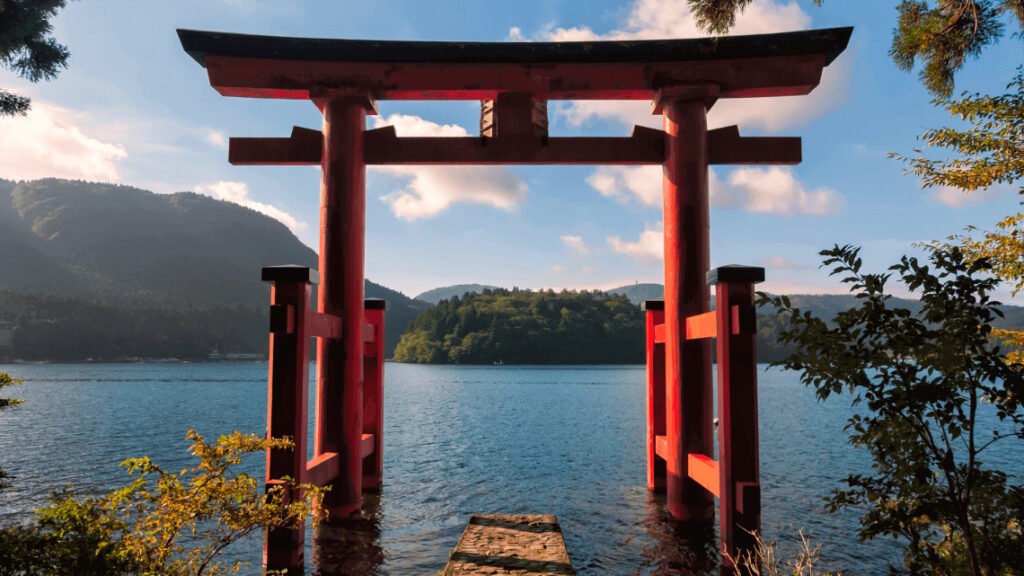
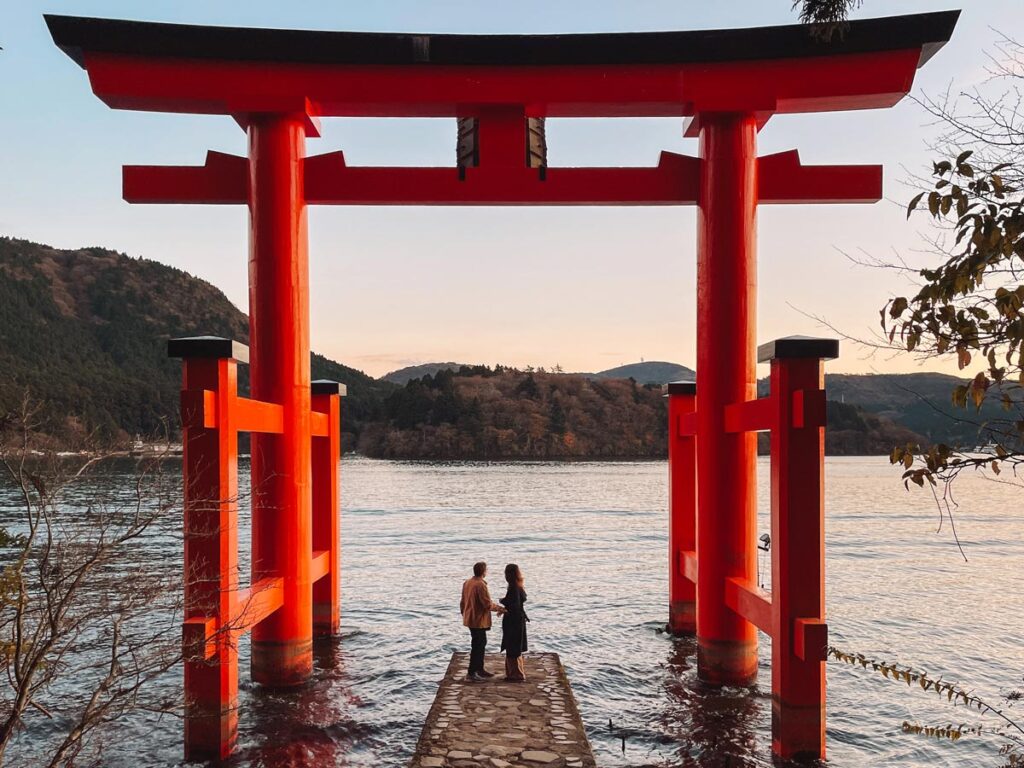
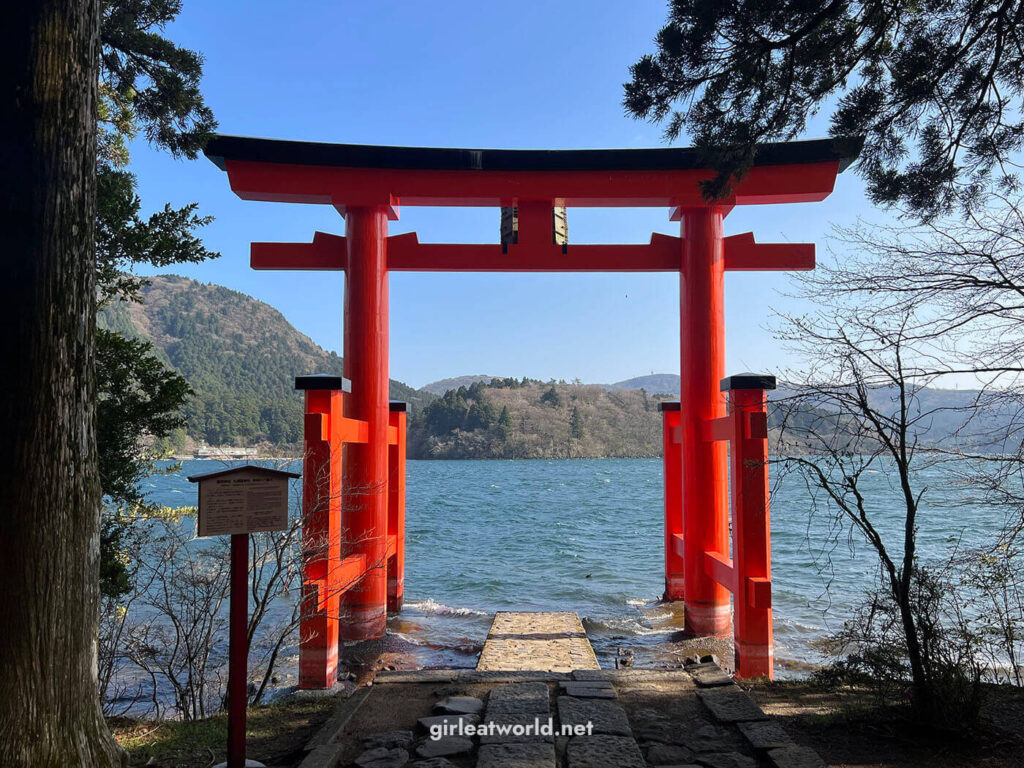
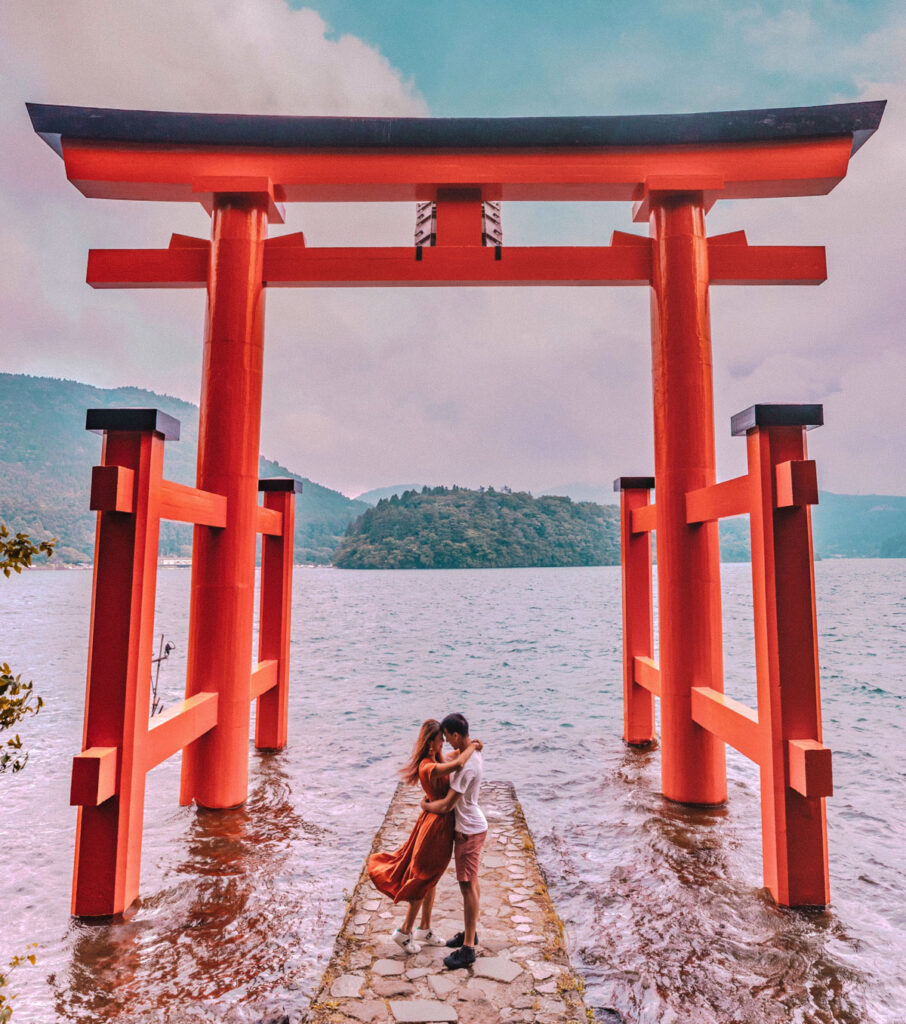
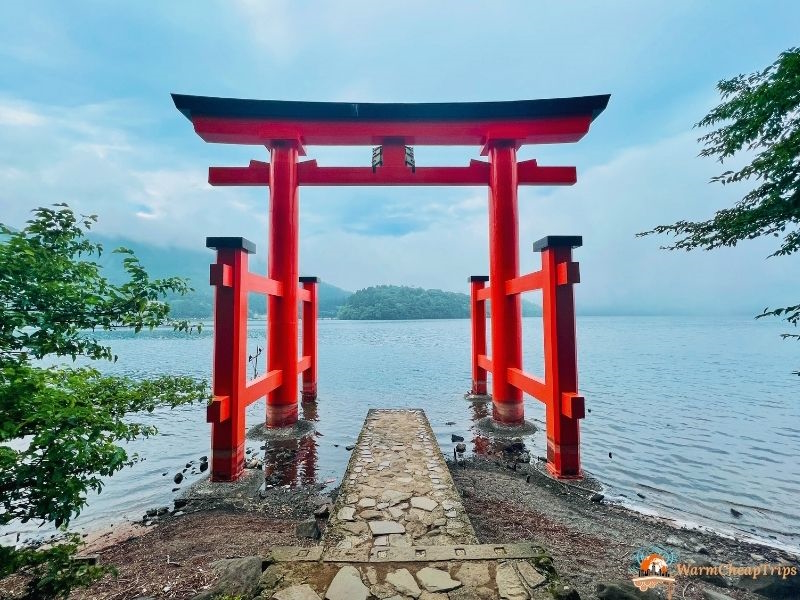
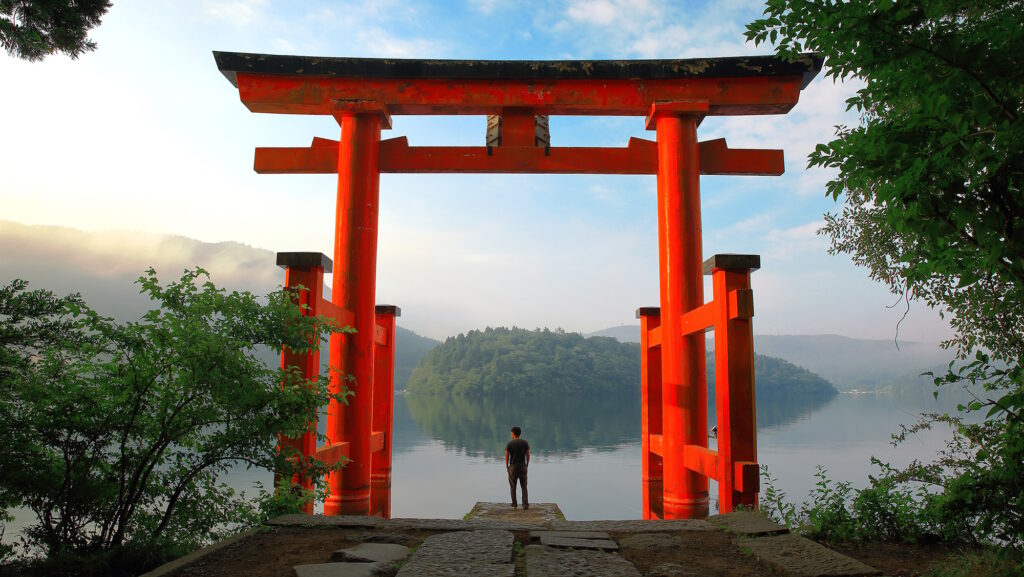
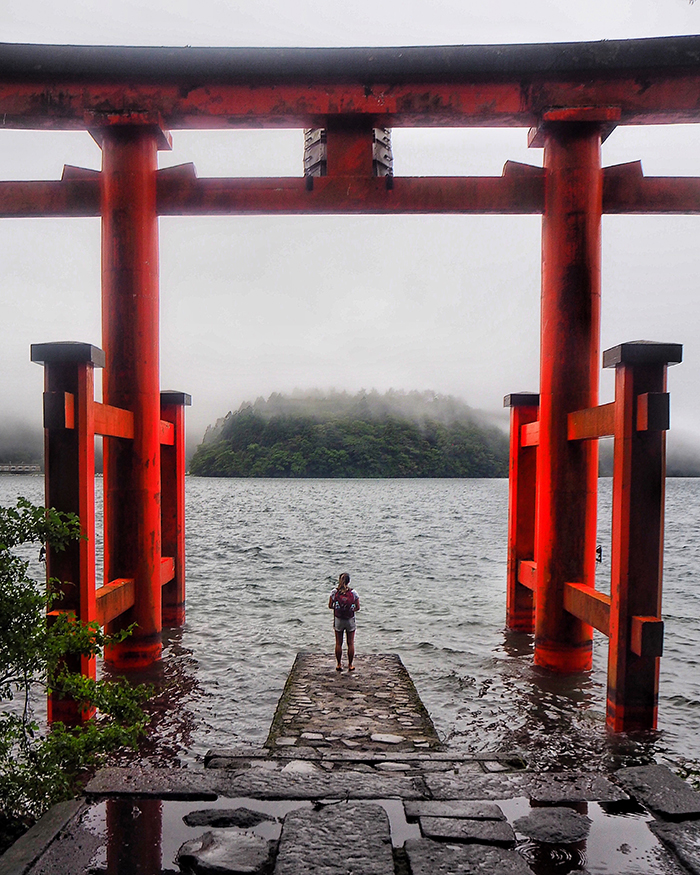
Hakone is the location of the Hakone Gongen, a noted Shinto shrine which is mentioned in Heian period literature. During the Genpei War, after his defeat at the Battle of Ishibashiyama in neighboring Manuzuru, Minamoto no Yoritomo prayed at this shrine for victory over his enemies.
As with the rest of Sagami Province, the area came under the control of the later Hōjō clan of Odawara during the Sengoku period. After the start of the Edo period, Hakone-juku was a post station on the Tōkaidō highway connecting Edo with Kyoto. It was also the site of a major barrier and official checkpoint on the route known as the Hakone Checkpoint (箱根関所, Hakone sekisho), which formed the border of the Kantō region. Under the Tokugawa shogunate, all travellers entering and leaving Edo along the Tōkaidō were stopped here by officials and their travel permits and baggage were examined to enforce Tokugawa laws that restricted the travel of women and weapons.
After the start of the Meiji Restoration, Hakone became a part of the short-lived Ashigara Prefecture before becoming part of Ashigarashimo District in Kanagawa prefecture in August 1876. Hakone attained town status in 1889. The imperial household established the summer Hakone Imperial Villa close to the lake. During the Meiji period, the area developed into a summer resort for the wealthy of Tokyo and the foreign settlement in Yokohama.
After merger with five neighboring towns and villages in September 1956, it reached its present boundaries.
Map
https://maps.app.goo.gl/CpuMjVN1g6Y1fVRf8
Reference
https://en.wikipedia.org/wiki/Hakone
Pictures